LMN LetMeNext

Vidhan Sabha Campaigns

Win Your Assembly Seat with Surgical Precision

Every seat is a battleground of caste arithmetic, development narratives, and ground-level mobilization. We engineer victories, not just plan campaigns.

Booth-Level Management to Massive Rural Outreach

From booth-level management in cities to massive rural outreach, we cover every dimension of an assembly contest.

✓ Booth-level management
✓ Caste-dynamics analysis
✓ Rural outreach campaigns
✓ Campaign war room
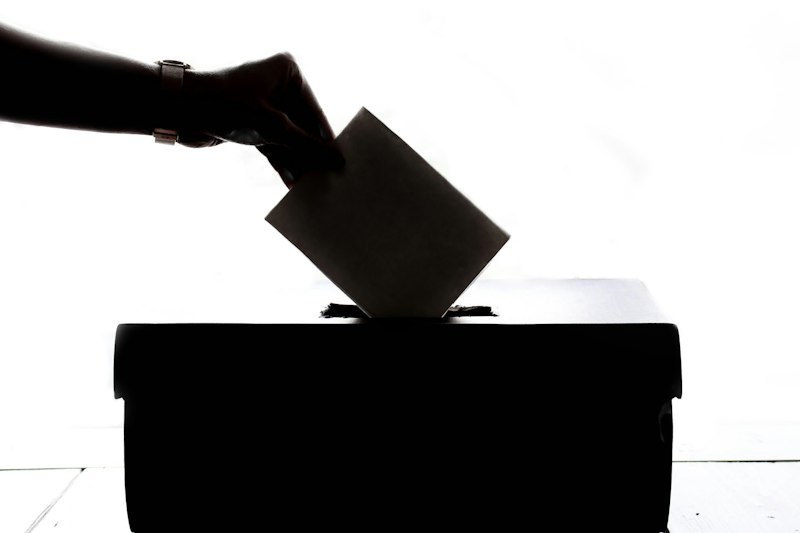
Vidhan Sabha Campaign

Assembly-Winning Solutions

Booth-Level Strategy Micro-level planning for every booth, covering voter lists, influence mapping, and on-ground mobilization in real time.
Caste-Dynamics Analysis Expert analysis of UP's complex caste dynamics, including Yadav, Jatav, Brahmin, Thakur, and Kurmi, to build winning electoral coalitions.
War-Room Operations Dedicated campaign war room tracking every booth, every issue, and every narrative in near real-time.
Community Engagement Public meetings, rallies, and hyper-local outreach that build authentic voter connect across your constituency.
403Elected MLA Seats
100Legislative Council (MLC)
84 + 2SC / ST Reserved Seats
5 YearsAssembly Term

The Vidhan Sabha at a Glance

Researched facts about UP’s Legislative Assembly, the largest in India.

Structure of the Assembly

The Uttar Pradesh Legislative Assembly is the largest legislature in India, with 403 members directly elected from single-member constituencies on the first-past-the-post system.

  • Bicameral legislature: the Vidhan Sabha (lower house, 403 seats) sits alongside the Vidhan Parishad or Legislative Council (upper house, 100 members).
  • Reservation: of the 403 seats, 84 are reserved for Scheduled Castes and 2 for Scheduled Tribes (Obra and Duddhi).
  • Leadership: the Speaker and Deputy Speaker are elected by members; the Chief Minister leads the House, with a Leader of the Opposition from the largest opposition group.
  • The Assembly sits in Lucknow with a term of five years unless dissolved earlier.

How Assembly Elections Are Conducted

Assembly elections are conducted by the Election Commission of India under the Representation of the People Act, 1951, on single-member constituencies.

  • Every constituency elects one member; the candidate with the most votes wins (first-past-the-post).
  • Boundaries and reservations are fixed by the Delimitation Order (2008) under Articles 170 and 332 of the Constitution.
  • The first Assembly was constituted on 8 March 1952; the current 18th Assembly was constituted on 11 March 2022.
  • The Governor addresses both Houses at the start of each session and summons them from time to time.
↑ Political Branding